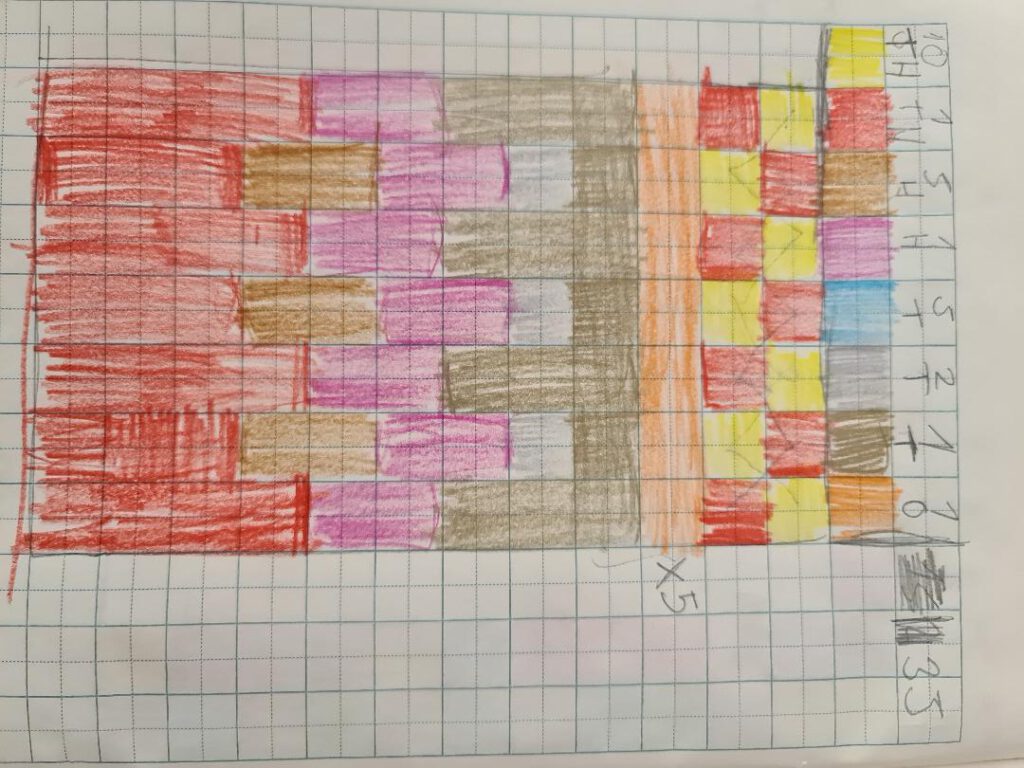
True STeAM spirit.
Two decades ago, Wang Man and I worked together at the German Chamber of Commerce in Beijing. Back then, Wang Man ran Customer Satisfaction Surveys — and that’s where we both learned to ditch uneven scales. Given the option, respondents drift to the middle. Comfortable, noncommittal, and not particularly useful if you actually want to know where to improve.
An Agile Parent Is an Agile Manager on Oxytocin.
Brigitte Neumann
When we started practicing Agile Parenting, the move felt obvious: take what worked in the office and bring it home. The books, the methods, the mindset — Design Thinking, SCRUM, the art of being a good Product Owner. All of it, transplanted e.g.
- The Professional Product Owner by Don McGreal and Ralph Jocham
- Nea Machina – die Kreativmaschine by Thomas and Martin Poschauko
- Management 3.0 by Jurgen Appelo
Description
The agile world’s flexibility is one of its greatest strengths — and occasionally its most frustrating quality. Without clear metrics, it’s hard to know where you stand or how far you’ve come. So we decided to change that.
The Agile Parenting Self-Assessment covers three categories. First, how your family experiences you as a parent. Second, which values you actually get across — not the ones you intend to, the ones that land. And third, how you manage the family as a unit.
Simple. Honest. A little uncomfortable, perhaps. That’s the point.
What makes this an agile parenting tool?
Once you have your result, sit with it. Where do you want to grow? The agile community runs on exactly that impulse — the quiet conviction that there is always a next level.
And if you have a moment, leave a note in the comments. How well did the result reflect your reality? Where does the tool fall short? This is an MVP — and like any good one, it gets better with honest feedback.